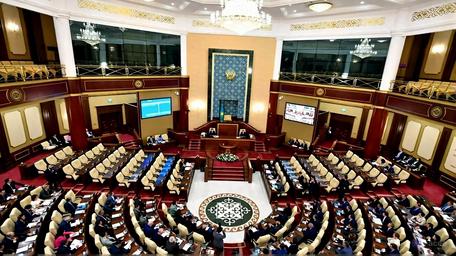
Deputies of the Kurultai (parliament) have approved in the first reading two packages of amendments introducing new requirements for online platforms, media outlets, and digital content creators, Exclusive.kz reports.
Key proposals include barring children under 16 from registering on social media, penalizing online profanity, and requiring publications to clearly label official government statements. Drafted in response to a presidential directive, the bills introduce changes across national legislation, including the Code of Administrative Offenses.
One amendment prohibits individuals under 16 from creating accounts on online platforms.
Additionally, the authorized regulatory body will be empowered to maintain a registry of online platform users whose audience exceeds 5,000 subscribers.
Separate provisions establish liability for disseminating unlawful content.
Online platforms may face administrative liability for hosting unlawful material, while their representative offices in Kazakhstan could be penalized for failing to comply with takedown orders issued by authorities.
Representative offices of online platforms will also be required to complete official registration under Kazakh law.
Another set of amendments targets coarse language. Fines and penalties for swearing are proposed for both traditional mass media and digital platforms. Kazakh Prime Minister Olzhas Bektenov outlined plans to introduce fines for online obscenities last summer. In practice, social media and streaming users in Kazakhstan are already prosecuted for swearing under disorderly conduct statutes. However, the proposed amendments explicitly extend the relevant administrative code provisions to foul language across all media, including digital outlets.
It is specifically noted that repeat offenders could face up to 100 hours of community service or up to 30 days of administrative arrest.
The legislation also mandates the clear labeling of official responses from government agencies in news reports. During floor debates, lawmaker Marat Shibutov asked for clarification on why such labeling is necessary and how it will appear. Officials maintain that readers must be able to distinguish formal agency statements from original editorial copy and journalistic commentary.
The final labeling procedures have yet to be finalized.
Furthermore, television and radio channels included in the free-to-air package will be required to begin broadcasting within 30 calendar days of being listed. The legislation also introduces the legal concept of an «audiovisual platform» and establishes operational rules for its providers.
New requirements will also apply to educational content creators. Those offering courses and instructional programs must disclose their educational background and substantiate their qualifications with a diploma or certificate.
Another initiative regulates occult services. The bill defines them as services claiming supernatural, paranormal, or scientifically unproven abilities.
Publications regarding such services must carry a prominent disclaimer stating that the content is for entertainment purposes only and lacks scientific or practical validation.
The amendments have passed only the first reading and remain subject to revision before final adoption.