 Photo via gazeta.uz
President of Uzbekistan Shavkat Mirziyoyev has set a target to train one million young people annually in robotics, game development, startup creation, and other high-demand IT sectors. The country will establish a corps of trainers, accelerate the launch of short-term courses, and conduct scientific research. These measures were discussed at a meeting on developing the nation's digital education ecosystem, according to the head of state's press service.
Officials noted that the goal of creating 300,000 IT jobs by 2030 has already been achieved. Consequently, a new target has been established: to generate an additional 500,000 positions across the IT industry over the next three years.
To realize these ambitious plans, Uzbekistan must build an integrated digital education ecosystem covering all stages—from training and skills verification to job placement. Meeting participants noted that it is entirely realistic to train around 5.5 million Uzbek citizens through both traditional and remote formats by 2030. For schoolchildren, authorities will expand the «Heirs of Al-Khwarizmi» and «Five Million Artificial Intelligence Leaders» initiatives, while universities and private training centers will combine their resources for college students.
The meeting gave separate attention to aligning workforce development with labor market demands. Proposals included expanding education in artificial intelligence (AI), microchip design, drone technologies, and video game development.
Officials also addressed upskilling school computer science teachers in AI with formal certifications, as well as providing students with access to international courses. The president endorsed an initiative to establish iOS developer training centers based on the Fergana model, alongside training programs for private academy mentors.
To integrate scientific research into academic curricula, proposals were made to launch university degree tracks in embedded systems, microelectronics, and the Internet of Things, as well as to support engineering projects and research labs.
To help graduates transition into the workforce, plans call for expanding the «Digital Youth» platform. The portal will aggregate data on education, professional skill sets, language proficiency, and certifications to match candidates with job vacancies and navigate the labor market.
Participants also highlighted the need to engage global tech giants. Last year, Uzbekistan secured $22 million in grants. The country has now set an objective to raise this figure through structured partnerships to $60 million by the end of this year and to $100 million by 2030.
Half of the funds raised this year were allocated to digital education, with the remainder directed toward professional development initiatives, establishing training hubs in remote regions, and outfitting them with advanced equipment to train specialists in AI, robotics, and software engineering.
Summing up the meeting, Mirziyoyev stressed that alongside broad enrollment, instructional quality and tangible employment outcomes must serve as the primary metrics for digital education progress.
Notably, Uzbekistan’s national robotics team won the world championship title in early October at the prestigious First Global Challenge 2026 in South Korea, outperforming competitors from more than 180 countries. The president signed a decree conferring state awards on the team members and their coach.
-
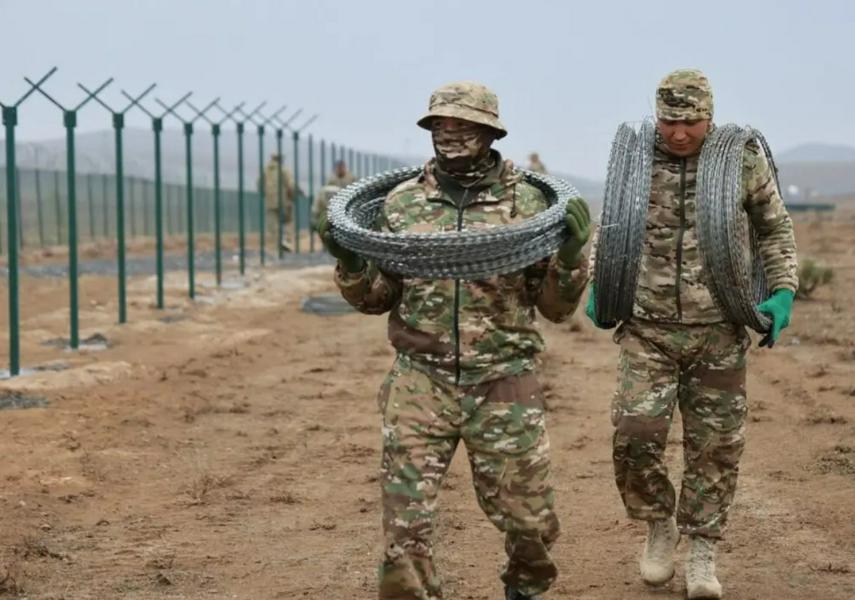 20 October20.10After the War, a FenceHow the Kyrgyz-Tajik Border Is Being Redrawn on the Ground
-
 14 October14.10Digital DependenceYandex Data Center Attacks Expose Kazakhstan's Digital Vulnerability
-
 13 October13.10From Nakhodka to the Persian GulfIran Courts the CIS and the Eurasian Economic Union
-
 01 October01.10Yields of 6–7 Tonnes per HectareUzbekistan is expanding a Chinese cotton-growing method to a third of its cotton fields
-
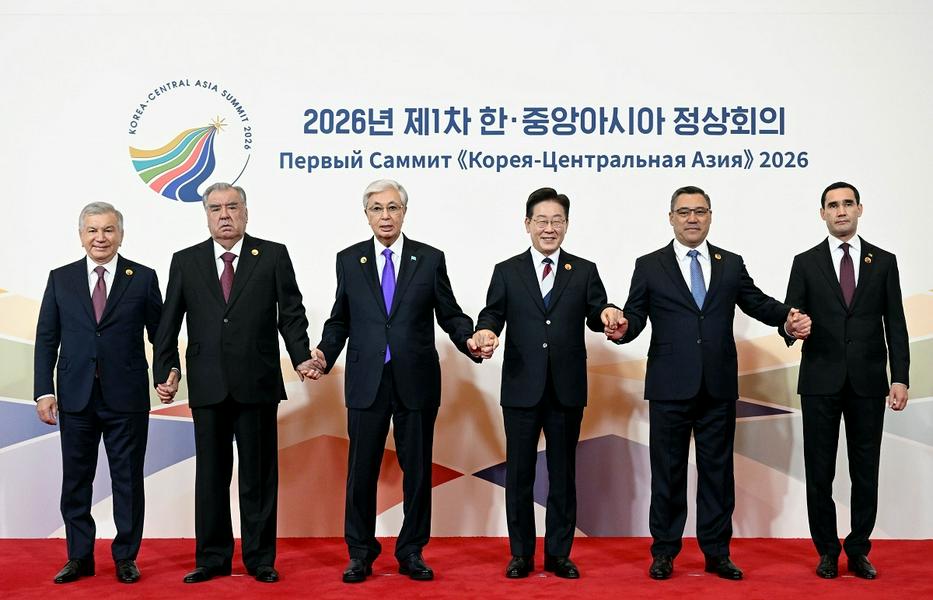 17 September17.09Summit of Morning FreshnessCritical minerals, artificial intelligence — what else was discussed at the “Central Asia–Korea” meeting
-
 02 September02.09Who Are You, Mr. Vice President?From Analyst to Kazakhstan's Second-in-Command: How Erlan Karin's Views Have Evolved
-

An Islamic civilization media forum in Tashkent gathered over 300 journalists from nearly 50 countries
-
Observers and experts assess Kazakhstan’s first elections to the new Kurultai parliament
-

Human rights defender and journalist Farid Tukhbatullin on the past, present, and future of the Turkmen people
-
The world's tallest dam is being built in Tajikistan on empty reserves and other people's loans