 Photo: AiF
In Uzbekistan, a bill on pediatric palliative and hospice care has been stalled for a year without reaching parliament. Sayyora Djumaeva, a deputy of the Legislative Chamber of the Oliy Majlis, demanded that the Ministry of Health explain the delay and announce a timeline for passing the legislation, Kun.uz reports.
Djumaeva pointed out that back in May 2025, Presidential Decree No. 186 instructed the government to prepare amendments to the law «On the Protection of Citizens' Health,» establishing the legal and institutional framework for palliative and hospice care. The drafting was scheduled for completion in November of that year, yet twelve months later, lawmakers have still not received the text for review.
“For these children, every single day counts,” Djumaeva emphasized, noting that the initiative aims to ease the suffering of terminally ill children and provide critical support to their families.
Health Minister Eldor Adilov attributed the holdup to the need for extensive revisions. According to him, an initial version of the bill was drafted and submitted to the government, but the presidential administration returned it for further refinement following a new presidential decree signed in June 2026. The revised draft has now returned to the cabinet. The minister expressed hope that it would be introduced to parliament in the coming days, though he declined to give a specific date.
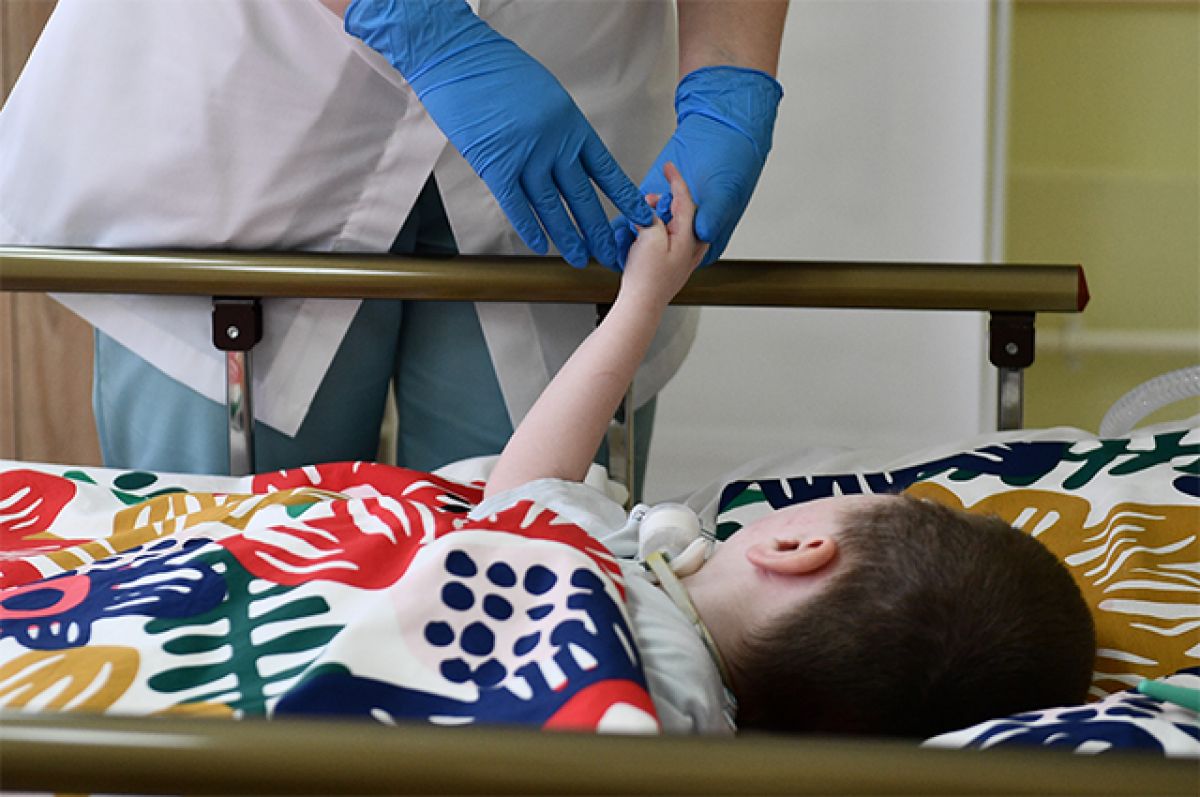
Palliative care aims to relieve pain and other distressing symptoms in individuals facing life-threatening illnesses. It encompasses medical treatment as well as psychological and social support for patients and their families. This care can be delivered in specialized facilities or at home, often alongside curative treatments for the underlying disease.
Meanwhile, Uzbekistan is moving forward with an existing program to expand palliative services. Under a presidential decree dated June 24, 2026, the country plans to launch mobile medical units, provide specialized beds and mattresses for bedridden patients, and expand its hospice network. Plans include a 20-bed pediatric hospice facility in the Samarkand region, along with four additional centers with a combined capacity of 180 beds across the Kashkadarya, Fergana, Khorezm, and Bukhara regions. By 2030, authorities aim to cover at least 80% of individuals in need of palliative care.
Uzbekistan’s first pediatric hospice, Taskin, opened in August 2022. The 20-bed facility was established in the Zangiata district of the Tashkent region through an initiative by the Ezgu Amal charitable foundation, with backing from the Ministry of Health, the Israeli Embassy, and Israel’s Sheba Medical Center. As Fergana reported at the time of its opening, organizers immediately faced persistent funding shortages, struggling to finance staff payroll and patient meals.
In February 2024, the World Health Organization noted that hospice care is offered free of charge to pediatric cancer patients, but stressed that Uzbekistan’s overall palliative care infrastructure requires significant development. Among key hurdles, the WHO highlighted restricted access to strong pain medications, an urgent need for specialized medical training, and the necessity to expand coverage for children with severe medical conditions.