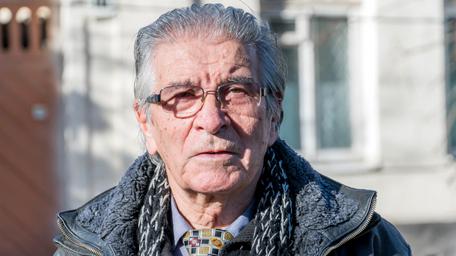
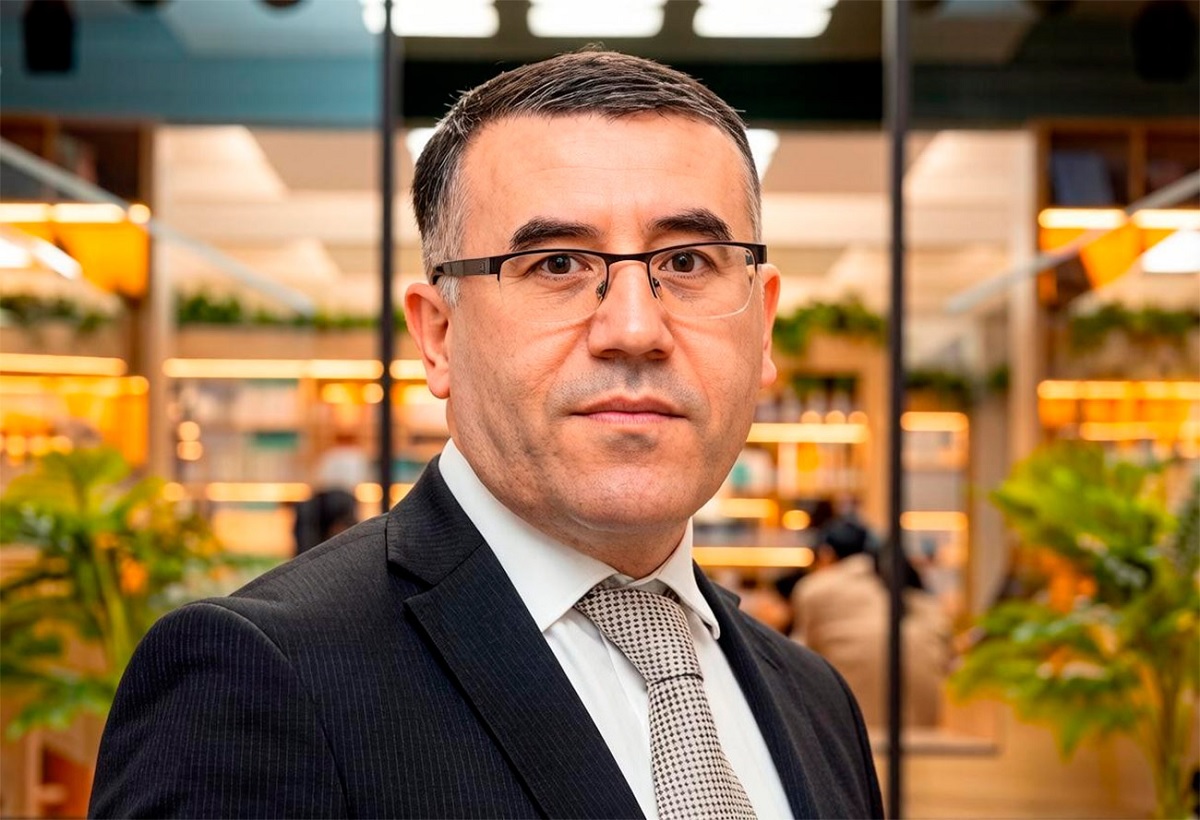
 Ikbolzhon Koraboev. Photo via azertag.az
Uzbek scholar Ikbolzhon Koraboev (Karabaev) has been sentenced to 10 years in prison in Kazakhstan, the professor’s relatives told journalists at Azattyq Asia.
According to the family, the 46-year-old academic was convicted under Article 176 of Kazakhstan’s Criminal Code (“Espionage”), which carries a sentence of 10 to 15 years behind bars.
The trial took place behind closed doors because the case materials contain classified state secrets. Koraboev’s family learned of the verdict through their own sources rather than from court officials or law enforcement authorities.
The scholar’s relatives say they have still not been granted access to the case files, nor have they been informed which foreign government he allegedly aided or what evidence was presented against him in court.
“We were given no information about the investigation or its findings. Concrete evidence and prosecution files remain completely inaccessible,” said one of the professor’s relatives, who spoke on condition of anonymity out of safety concerns.
According to the relative, the family has submitted appeals to Kazakhstan’s president, the prosecutor general, the National Security Committee (KNB), the human rights ombudsperson, and civil society groups, but received no substantive response from state agencies.
Following a leadership reshuffle at Kazakhstan’s KNB, the family resubmitted their appeals to the agency's new chief, the president, and the prosecutor general.
Koraboev’s relatives plan to appeal the verdict and seek his full exoneration. Their demands include access to all investigative and court records, his reinstatement to his university post with full labor rights, an official acknowledgment of procedural violations, and the full restoration of his professional reputation.
“How could such a situation even arise between two brotherly nations like Uzbekistan and Kazakhstan? We live in the 21st century; we are neighboring and friendly countries with a shared history and deep fraternal ties. Could anyone imagine France arresting and convicting a Belgian citizen on espionage charges? We are fraternal peoples as well, and there must be trust, mutual respect, and justice between us,” the relative said.
Kazakh authorities have not yet commented on the verdict, and the official position of the Uzbek government remains unknown.
Koraboev was detained in Astana on July 3, 2026, where he lived with his wife and three minor children.
The professor taught international relations at Maqsut Narikbayev University, specializing in regional integration, geoeconomics, and strategically critical mineral resources across Central Asia.
Colleagues emphasize that the scholar relied strictly on open-source data in his research.
In April 2025, Koraboev completed an as-yet unpublished study titled “Comparative Legal, Policy, and Strategic Narratives Around Critical Minerals in Kazakhstan and Uzbekistan.” The paper examined nine policy documents from Kazakhstan, eight from Uzbekistan, and three international frameworks.
Earlier, in October 2024, Koraboev presented research highlighting surging global interest in Central Asia’s rare earth elements amid China’s growing influence, pandemic-related supply chain disruptions, and the war in Ukraine. He noted that Beijing already dominates the extraction of such raw materials in Kyrgyzstan and Tajikistan, serves as Kazakhstan’s top trading partner for these resources, and continues to expand its footprint in Uzbekistan.
ℹ️ Critical minerals have taken on growing geopolitical significance in recent years. In 2023, Kazakh President Kassym-Jomart Tokayev branded them the “new oil” and urged greater investment in the sector.
Speaking at a forum in Tashkent in June 2025, Uzbek President Shavkat Mirziyoyev announced that substantial domestic reserves of tungsten, molybdenum, magnesium, lithium, graphite, vanadium, and titanium had been identified, valuing the country’s total subsoil potential at $3 trillion.
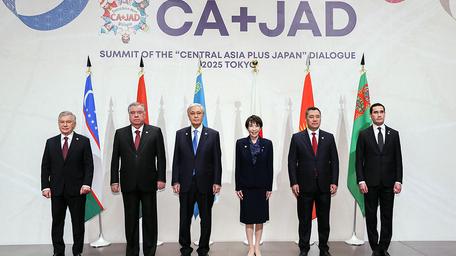
During Tokayev’s official visit to Uzbekistan in November 2025, the two sides agreed to establish a joint working group on the geological exploration and extraction of rare and rare-earth metals, and signed a memorandum of cooperation in the mining industry.