 Photo from orf.at
Nearly half of the state standards currently in force in Uzbekistan are obsolete or fail to align with international requirements, impeding the country's accession to the World Trade Organization (WTO). Nodira Jonibekova, a member of the Legislative Chamber of the Oliy Majlis (parliament), made the statement, according to Spot.
According to the lawmaker, more than 33,000 standards are registered nationwide, with approximately 50% requiring comprehensive revision. Aligning the national technical regulation system with international norms is one of the fundamental prerequisites for WTO membership.
“This situation remains a noticeable obstacle to [Uzbekistan's] accession to the World Trade Organization. Full compliance of the technical regulation framework with international standards is one of the core terms of membership,” Jonibekova emphasized.
During a session on November 10, lawmakers approved a formal parliamentary inquiry addressed to Ansabkhon Zakirov, director of the Technical Regulation Agency. Officials demanded clarification regarding the progress of regulatory overhauls, standard modernizations, digitalization drives, and measures implemented to mitigate corruption risks.
Jonibekova also noted that efforts to identify and eliminate corruption risks remain insufficiently effective. She stressed the urgent need to accelerate the deployment of digital technologies and bolster procedural transparency across technical regulations.
ℹ️ Uzbekistan initially applied for WTO membership in 1994. Before the process stalled in October 2005 following the events in Andijan, the working party had convened three times. Tashkent continued amending its domestic legislation to meet multilateral standards, officially resuming its accession bid in 2017.
In 2026, the working party met twice, during which the Uzbek delegation presented over 30 regulatory documents and addressed more than 400 inquiries from member states. By October, Tashkent had concluded bilateral negotiations with 33 nations, bringing overall consensus on goods and services market access terms to nearly 99%, according to negotiators.
In early November, WTO Working Party Chairperson Sung-eun Cho visited Tashkent to resolve the remaining accession hurdles, including finalizing bilateral treaties, harmonizing agricultural subsidies, reforming commercial laws, and finalizing the definitive commitments package. Uzbekistan aims to wrap up accession negotiations by late 2026 and secure entry in 2027, although the exact timeline remains tentative.
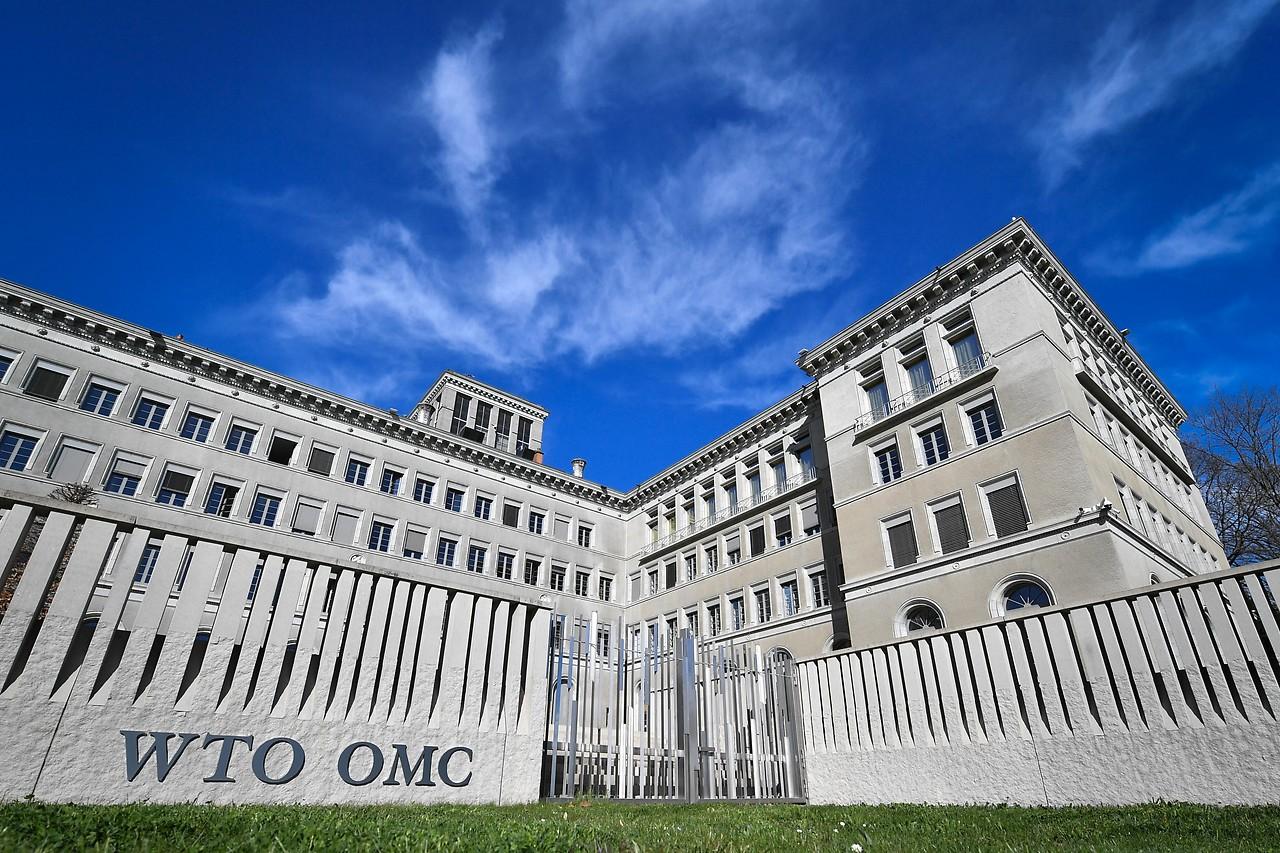
ℹ️ The WTO is a global international body that oversees the rules of trade between nations. Its foundation rests on binding contracts that guarantee member states specific trade rights. Accession requires lowering trade barriers for foreign partners and dismantling protectionist safeguards for domestic producers.