A tanker loading Kazakh oil at the Caspian Pipeline Consortium's (CPC) Black Sea terminal was struck by a drone on July 20, the third such attack on the facility in less than a week and the sixth since January, CPC's press service reported. The strike came a day after Kazakhstan's Foreign Ministry publicly condemned the previous attacks as an assault on the country's economic interests — a warning that appears to have gone unheeded.
Three strikes, three tankers, one week
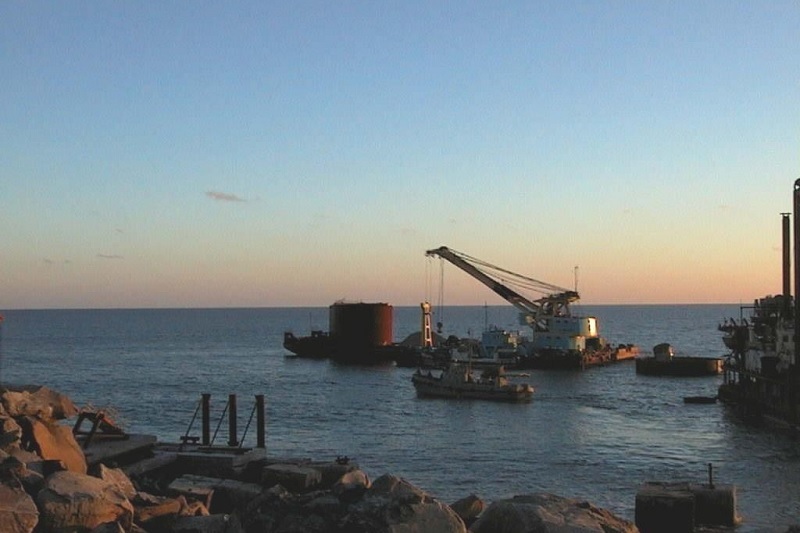
The latest incident occurred at the single point mooring SPU-1, where the tanker NELSA was taking on cargo. A drone struck the vessel's starboard side near the stern, between the superstructure and the engine room, sparking a fire that crew members and CPC emergency teams extinguished within hours. The ship's international crew of 22 was evacuated by consortium tugboats, though the captain and chief mate stayed aboard; CPC said the tanker retained its buoyancy. Oil loading was suspended again, and the consortium reported no spill and no fire in the cargo tanks.
The NELSA attack followed two others in rapid succession. On July 17, drones struck the tanker Nordic Zenith en route to the CPC terminal in a double strike that set the vessel on fire and prompted the crew to issue a distress call. Thirteen sailors were evacuated by consortium ships, while nine others chose to stay aboard and fight the blaze themselves. They succeeded in putting out the fire, but the ship was left unfit for loading.
Two days later, on July 19, drones hit two more tankers simultaneously at the offshore mooring facilities VPU-1 and VPU-3: the ASIA, carrying oil from Tengizchevroil (Chevron), and the NISSOS IOS, being loaded with crude from Kashagan B.V. and Maten, a KazMunayGas subsidiary. A fire broke out on the ASIA and was put out with help from CPC's emergency crews. Both ships, flying Liberian and Marshall Islands flags and staffed by international crews, remained afloat; no one was hurt, and no oil spilled. CPC called it «the fifth act of direct aggression» against its infrastructure, saying the strike hit the interests of every country involved in the project.
The consortium has now recorded six drone attacks on tankers serving its terminal since January, when two vessels — one chartered by Chevron, the other by a KazMunayGas subsidiary — were damaged near the facility. In early July, the tanker Yasa Polaris, also under charter to Chevron, was struck but suffered no serious damage.
Kazakhstan's warning, issued and ignored
The strikes have pushed Kazakhstan's government into unusually sharp public language. In a statement issued July 19 — hours before the NELSA attack — the Foreign Ministry described the drone strikes on civilian vessels carrying Kazakh oil as «an unacceptable encroachment on the economic interests of the Republic of Kazakhstan» and accused the attackers of deliberately trying to destabilize «legitimate international trade, global energy markets, and the security of global transport and logistics supply chains."
The ministry also said an agreed mechanism for exchanging information on civilian vessel movements had been «deliberately ignored,» putting crews' lives at risk, and called on partner countries to «resolutely condemn» the attacks internationally. Astana said it was conducting a full damage assessment and reserved the right to pursue compensation claims «through all mechanisms provided for by international law."
CPC's own statement on the NELSA strike pointedly noted that the attack came just a day after Kazakhstan's foreign and energy ministries had condemned the earlier incidents. «We expect CPC member states to condemn these attacks and, in strict compliance with international law, develop practical measures to stop terrorist attacks on the infrastructure for exporting hydrocarbon raw materials produced by international consortia in the Republic of Kazakhstan,» the consortium's press service said.
Why it matters
The CPC pipeline is Kazakhstan's principal artery to world oil markets, carrying more than 80% of the country's crude exports over roughly 1,500 kilometers from fields in western Kazakhstan to the Black Sea terminal near Novorossiysk. Its shareholders include Russia, Kazakhstan, Chevron, and other international energy companies — meaning any disruption reverberates well beyond Russia's own oil trade. The repeated strikes have already forced repeated loading suspensions and contributed to falling oil production in Kazakhstan, even though Astana insists it is not a party to the conflict that appears to be driving the attacks.