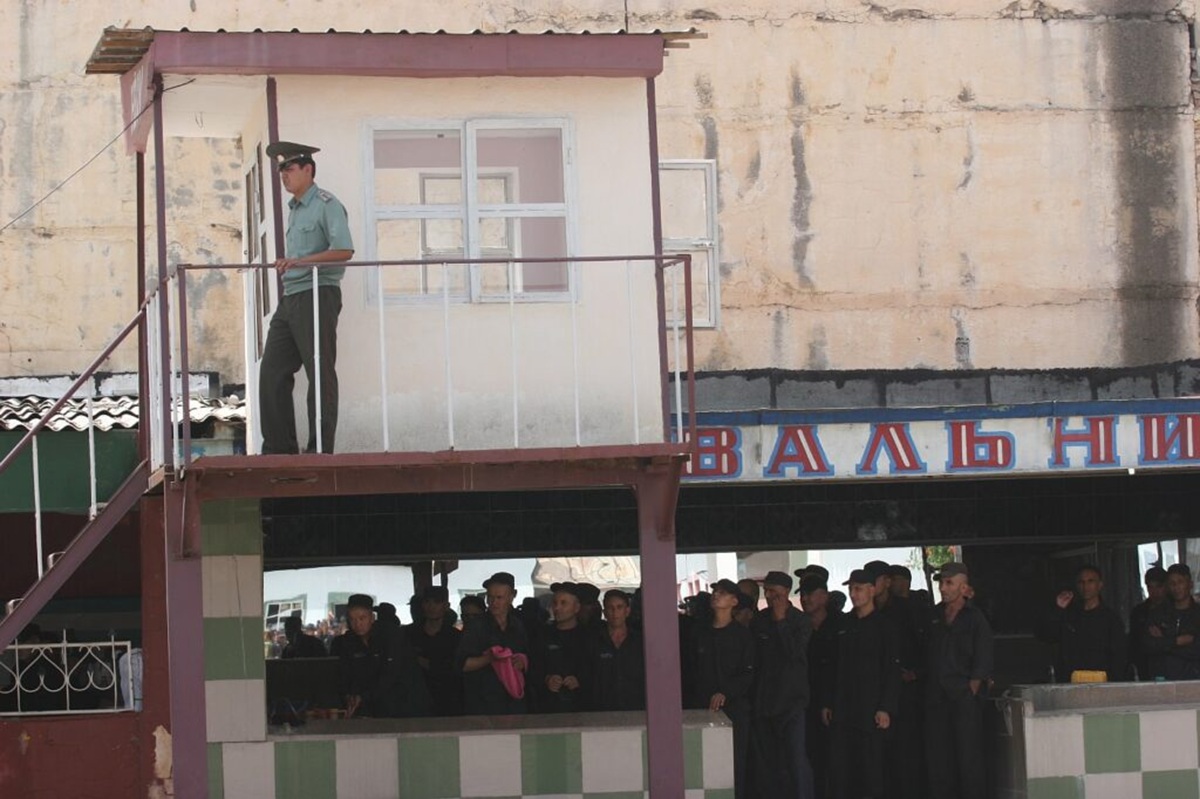
 Prison in Tajikistan. Photo: Asia-Plus
In Tajikistan's Sughd Region, 70 people previously released under an amnesty have been sentenced to prison again for committing various crimes, regional courts ruled, according to Sputnik.
Details regarding the fresh criminal cases, including specific charges and terms of imprisonment, were not disclosed. Authorities also did not specify how long the convicts had remained free or whether all of them had walked out of prison under the latest amnesty announced in June 2026.
Tajik law enforcement agencies had previously reported rearrests of amnestied individuals. In September, Radio Ozodi reported at least seven such cases, with the majority of suspects detained on theft charges.
Specifically, authorities detained five individuals in the Sughd Region's city of Kanibadam, four of whom had earlier been freed under the amnesty. Law enforcement officials stated that one suspect committed four burglaries within a single month. In Dushanbe, police apprehended two former convicts suspected of stealing cash and valuables from a private residence only three days after their release.
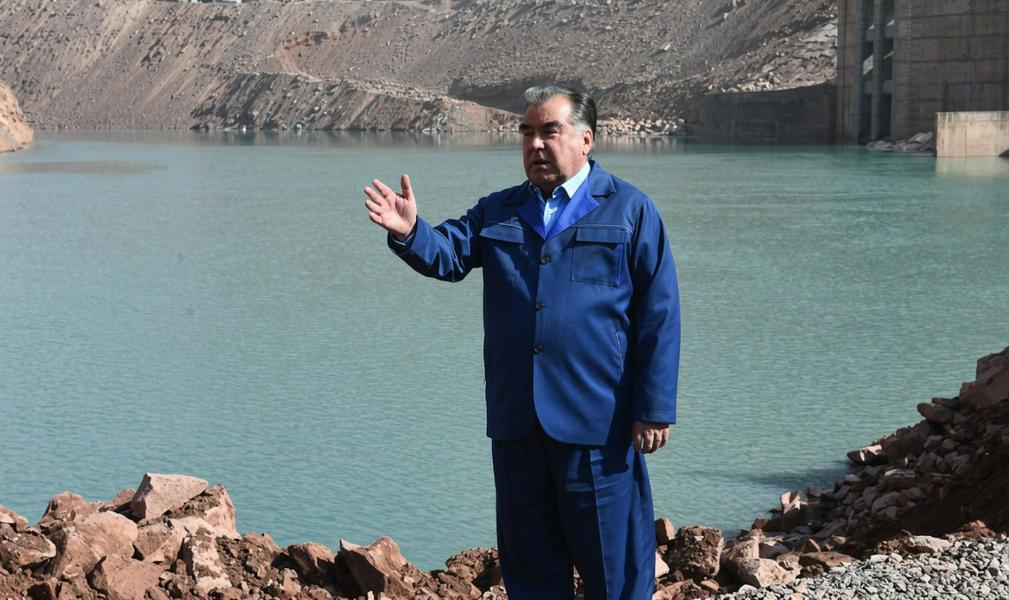
President Emomali Rahmon signed the amnesty law marking the 35th anniversary of Tajikistan's independence on June 16, 2026. The measure was initially projected to affect 18,038 individuals, with plans to release over 11,000 convicts and shorten prison sentences for the rest.
By mid-August, officials had applied the amnesty to 20,684 individuals. Among them, 14,343 were exempted from criminal liability or further sentence completion, including more than 8,000 inmates released directly from penal facilities.
In the Sughd Region alone, 5,100 people qualified under the law by mid-August. Of that total, 2,157 were released from detention facilities or spared prosecution, while 2,260 inmates received sentence reductions of one to three years. The amnestied cohort included 74 women and 34 minors. Regional prosecutors reported three repeat offenses at that time.
The amnesty also covered imprisoned Tajik journalists and bloggers, reducing prison terms by three years for several of them, including Abdullo Ghurbati and Rukhshona Khakimova.