 Photo: Reuters
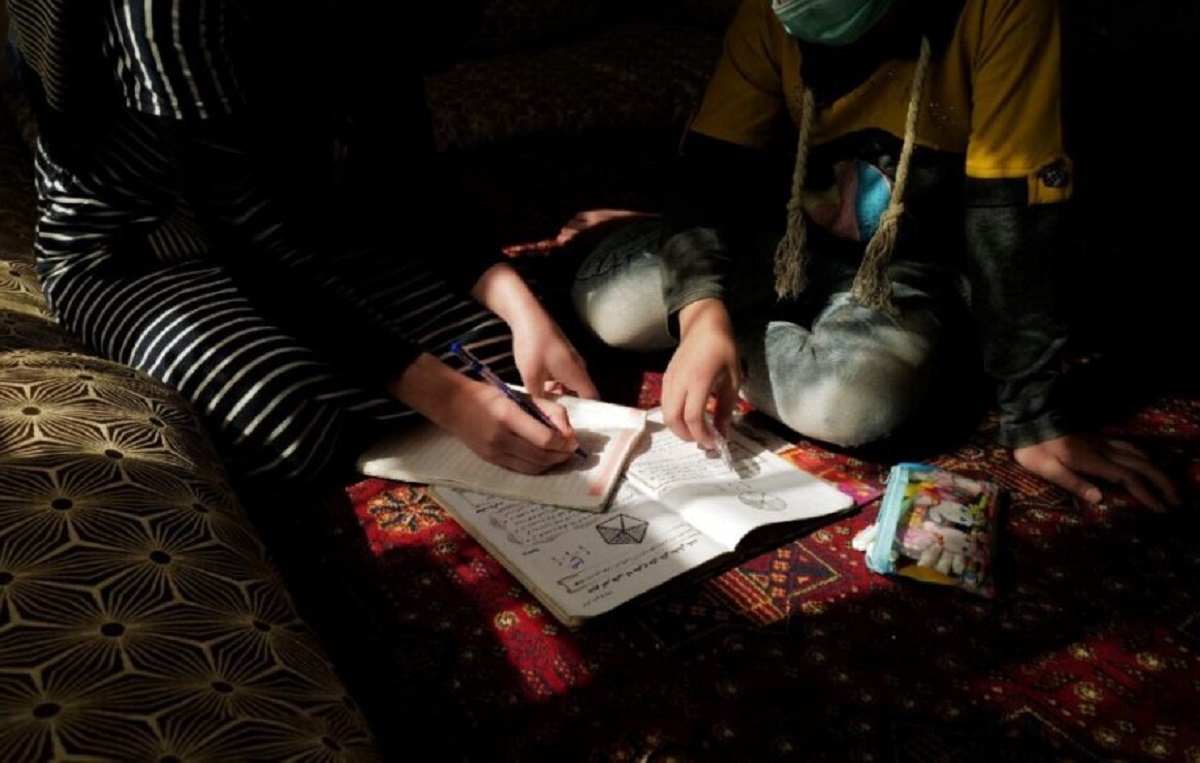
In Afghanistan, around 2.4 million girls are deprived of the opportunity to receive a secondary education due to the ban on attending schools imposed by the Taliban. This statistic was cited by Hoda Jaberian, coordinator of the UNESCO program on education in emergencies, reports Amu.tv.
The representative of the international organization noted that compared to the previous report, the number of girls deprived of the right to attend schools has increased by roughly 200,000. This is because the Taliban ban has a cumulative effect, meaning that over time more and more Afghan women reach the age required for secondary education.
The situation is exacerbated by refugees returning to their homeland: children under 15 make up 56% of their total number. Although the UNESCO staff member noted that she does not have precise information on what percentage of underage repatriates are specifically girls. But still, if they attended school abroad, in Afghanistan there is no such opportunity.
Jaberian emphasized that the statistics only take into account those who are deprived of access to secondary education. Because it is impossible to assume how many girls, had there been no Taliban bans, would have graduated from schools, submitted documents to universities, and successfully passed entrance exams.
Especially since higher education in Afghanistan also faces problems — the Taliban forbids girls from studying at universities, including those to which restrictions were not previously applied. In particular, this concerns medical universities.
According to Jaberian, there is now no flexibility: Afghan women are forbidden from continuing their education, obtaining accreditations, and diplomas.
She added that UNESCO is currently not conducting negotiations with the Taliban on this issue. However, the organization is implementing the «Qualification Passport» program, within the framework of which universities and employers in countries hosting refugees from Afghanistan are provided with assistance in assessing students' knowledge and the skills of job candidates.
The UNESCO representative noted that Taliban policies have also damaged the boys' education system. Because the authorities are massively dismissing qualified teachers, replacing them with unprepared people. Despite the fact that UNESCO conducts distance learning and literacy programs, this still will not replace classroom lessons and professional teachers, Jaberian concluded.
At the same time, the international structure intends to continue its work on providing educational services in Afghanistan, while simultaneously seeking the lifting of bans from the Taliban. Because, as Jaberian emphasized, Afghan girls and women must study, and the world community needs to fight for the restoration of the corresponding human rights.