Kazakhstani human rights organization REQUEST has filed a lawsuit demanding the unblocking of their website, which became inaccessible following a decision by the republic's authorities acting under the law banning LGBT propaganda. This document came into force at the beginning of March this year, making the upcoming trial the first in the country where the new norms will be applied, the human rights activists report on their Instagram.
According to REQUEST representatives, the law banning LGBT propaganda in Kazakhstan came into legal force on March 2, 2026. At the same time, the organization launched a web project, lgbtpropaganda.kz, aimed at monitoring and legally analyzing the situation concerning people with non-traditional sexual orientation.
Two days later, the website administrators began receiving calls from the police, and on March 8, they were summoned for questioning to provide explanations regarding a complaint about alleged LGBT propaganda.
According to the human rights activists, disruptions in access to the site were observed in late March and early April. Meanwhile, they sent a request to the Kazakh authorities asking for the blocking decision, a clarification of which content was deemed illegal, and the legal grounds for restricting the web resource's operation.
No decision, no content assessment, nor any other explanations were provided.
However, on April 21, the Ministry of Culture and Information of the republic, which regulates media activities, officially confirmed the blocking of lgbtpropaganda.kz within Kazakhstan. The site remains freely accessible in other countries.
REQUEST has filed a lawsuit in a court in Astana seeking to have the blocking of the resource declared unfounded. As the human rights activists clarify, the court accepted their application on May 29. A preliminary hearing on this case is scheduled for June 8.
The publication Exclusive.kz, in turn, reports that the Prosecutor General's Office had previously reported the absence of registered cases under the article on propaganda of LGBT and pedophilia in the Code of Administrative Offenses. Thus, the story with lgbtpropaganda.kz is the first case in the republic where the new legislative norms have been applied.
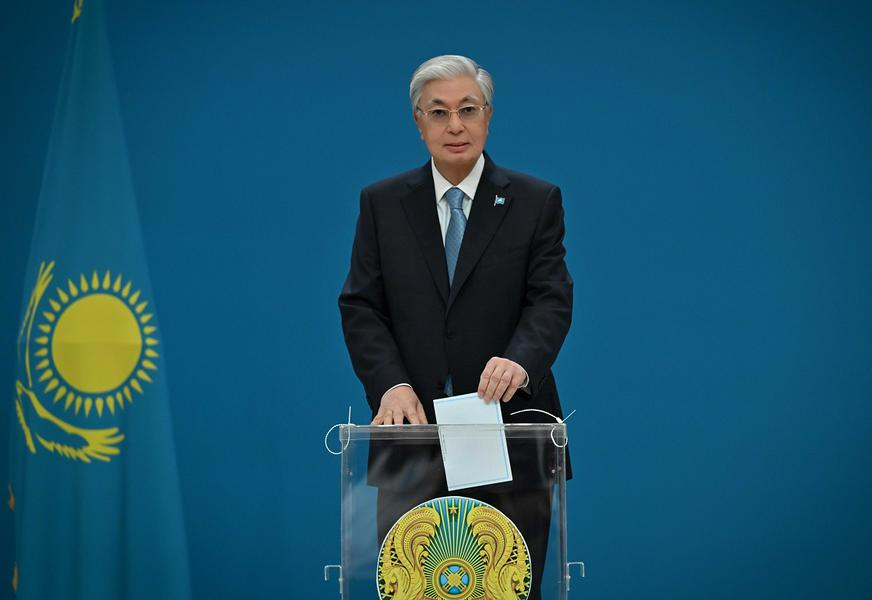
President of Kazakhstan Kassym-Jomart Tokayev signed the law providing for a ban on propaganda of LGBT and pedophilia in the media, telecommunications networks, and online platforms in December 2025. The document came into force on March 2 of this year.
For distributing illegal content, offenders may face a fine of about $140. For a repeated violation, the penalty will double, or the guilty party will face administrative arrest for up to 10 days.
A number of public organizations opposed the law. For example, the European Union Special Representative for Central Asia, Eduards Stiprais, stated that adopting the document threatens Kazakhstan with «reputational risks."