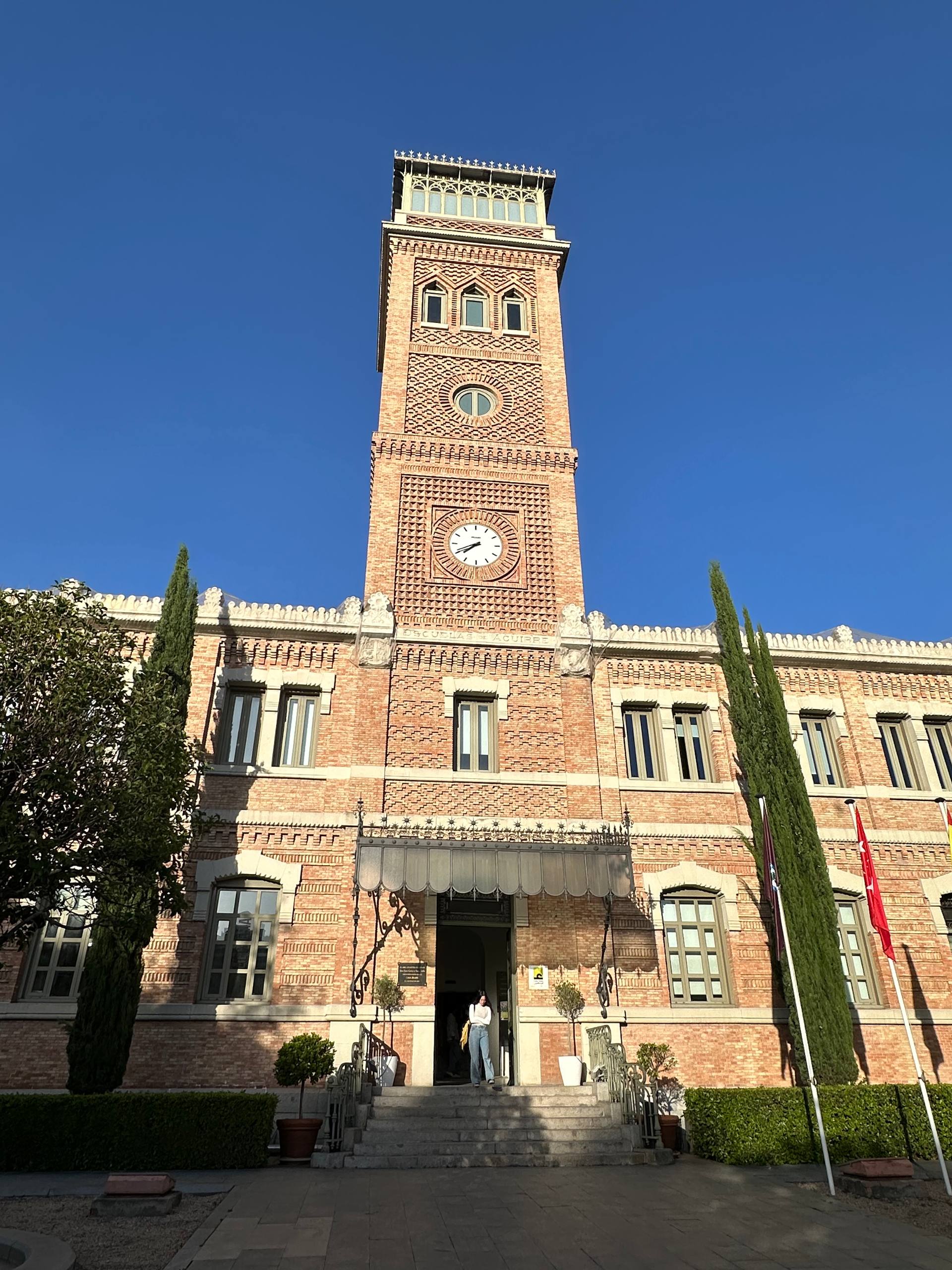
 The Casa Árabe building (Arab Cultural Center) in Madrid. Photo by "Fergana"
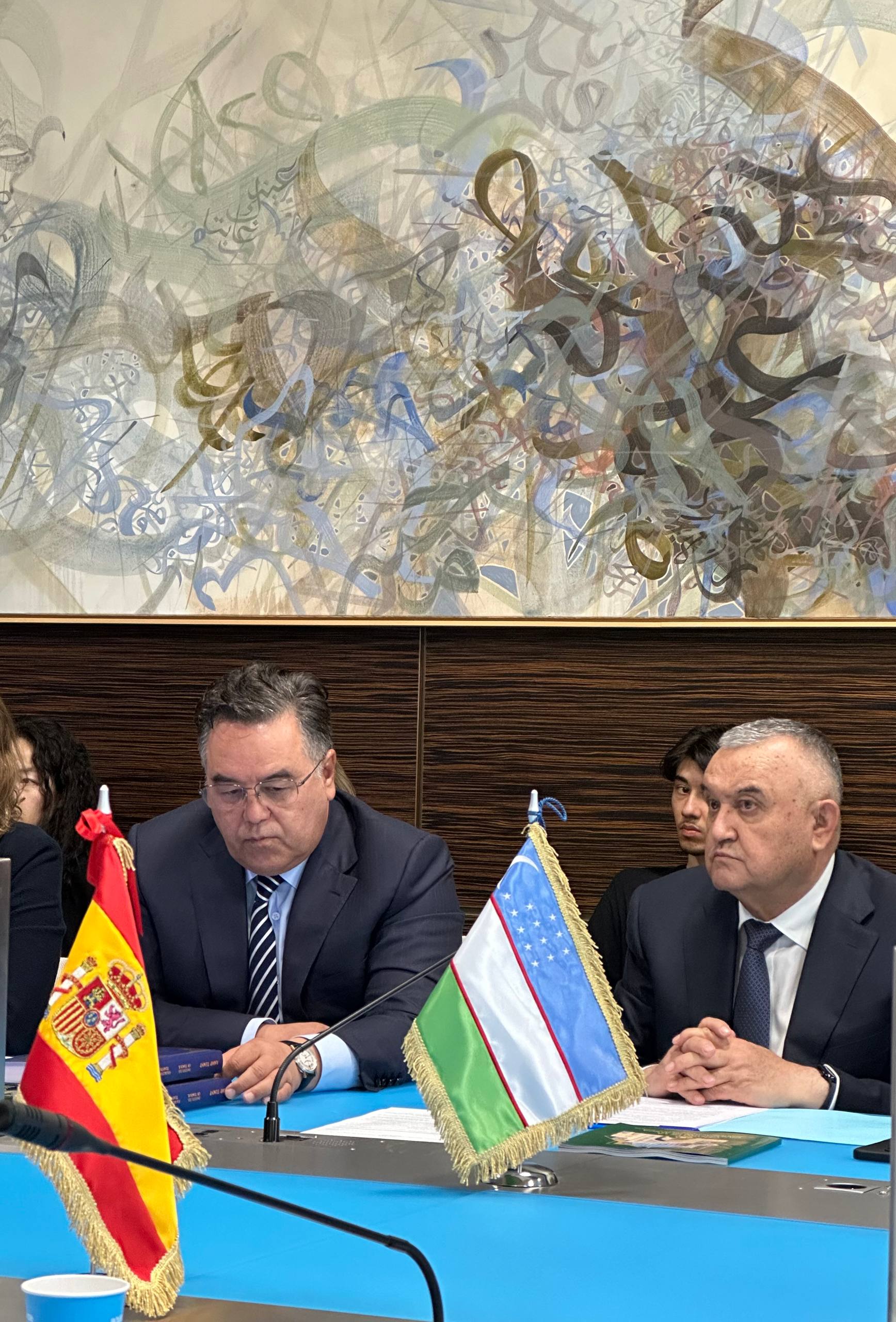
On April 22, 2026, a presentation dedicated to the 690th anniversary of the birth of Amir Timur — a great commander, statesman, and patron of sciences and arts — was held at the Casa Árabe cultural center in Madrid, Spain, reports «Fergana». The event was organized by the Embassy of Uzbekistan in Spain together with the Center for Islamic Civilization of Uzbekistan in pursuance of President Shavkat Mirziyoyev's decree on broad international commemoration of this date.
At the Casa Árabe event, the Ambassador of Uzbekistan to Spain, Farrukh Tursunov, presented a large-scale cultural program for the anniversary year, which, in particular, includes screenings of a feature film about Amir Timur in the country's largest cities. International researchers took part in the discussion: Professor Jesús Gil Fuensanta of the Autonomous University of Madrid emphasized that the Timurid era was a time of genuine cultural and scientific flourishing, when Samarkand and Herat became key centers of intellectual life throughout the medieval world.


-
![]()
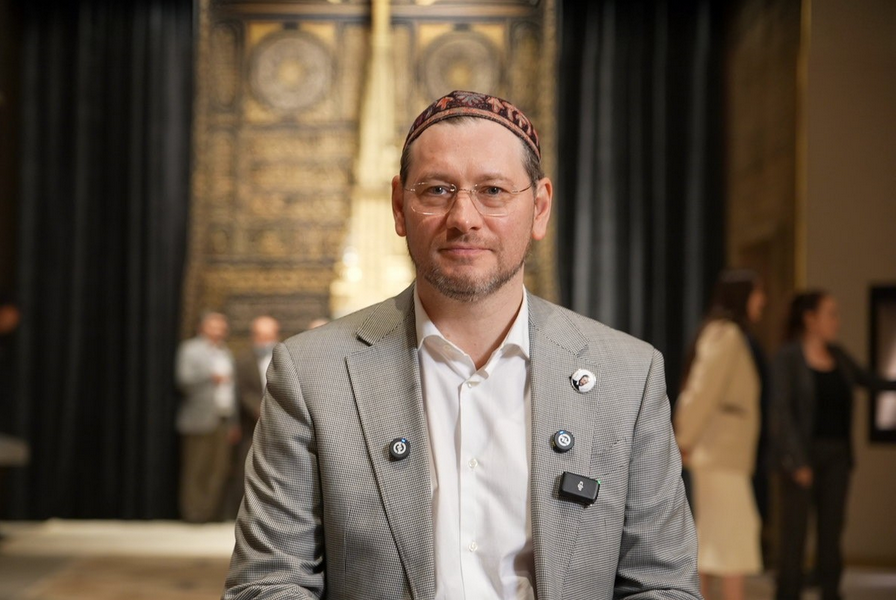
Conference participants and exhibition exhibits. Photo by «Fergana"
-
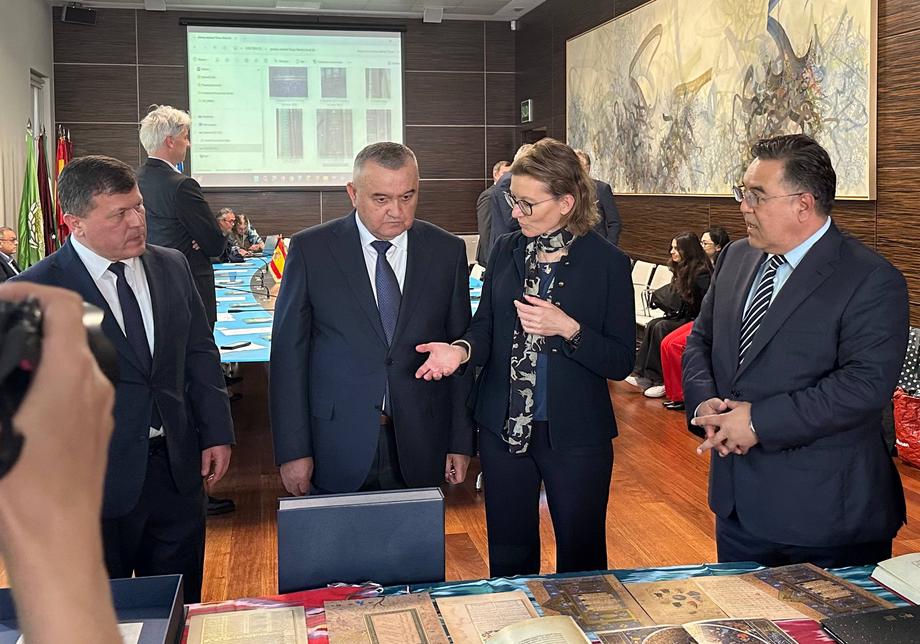
Conference participants and exhibition exhibits. Photo by «Fergana"
-
![]()
Conference participants and exhibition exhibits. Photo by «Fergana"
-
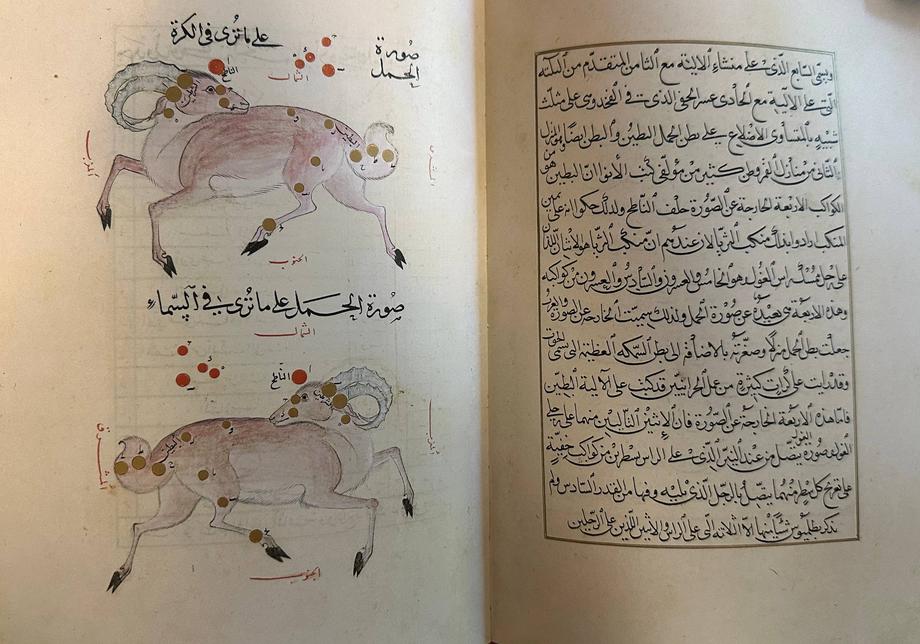
Conference participants and exhibition exhibits. Photo by «Fergana"
-
![]()
Conference participants and exhibition exhibits. Photo by «Fergana"
-
![]()
Conference participants and exhibition exhibits. Photo by «Fergana"
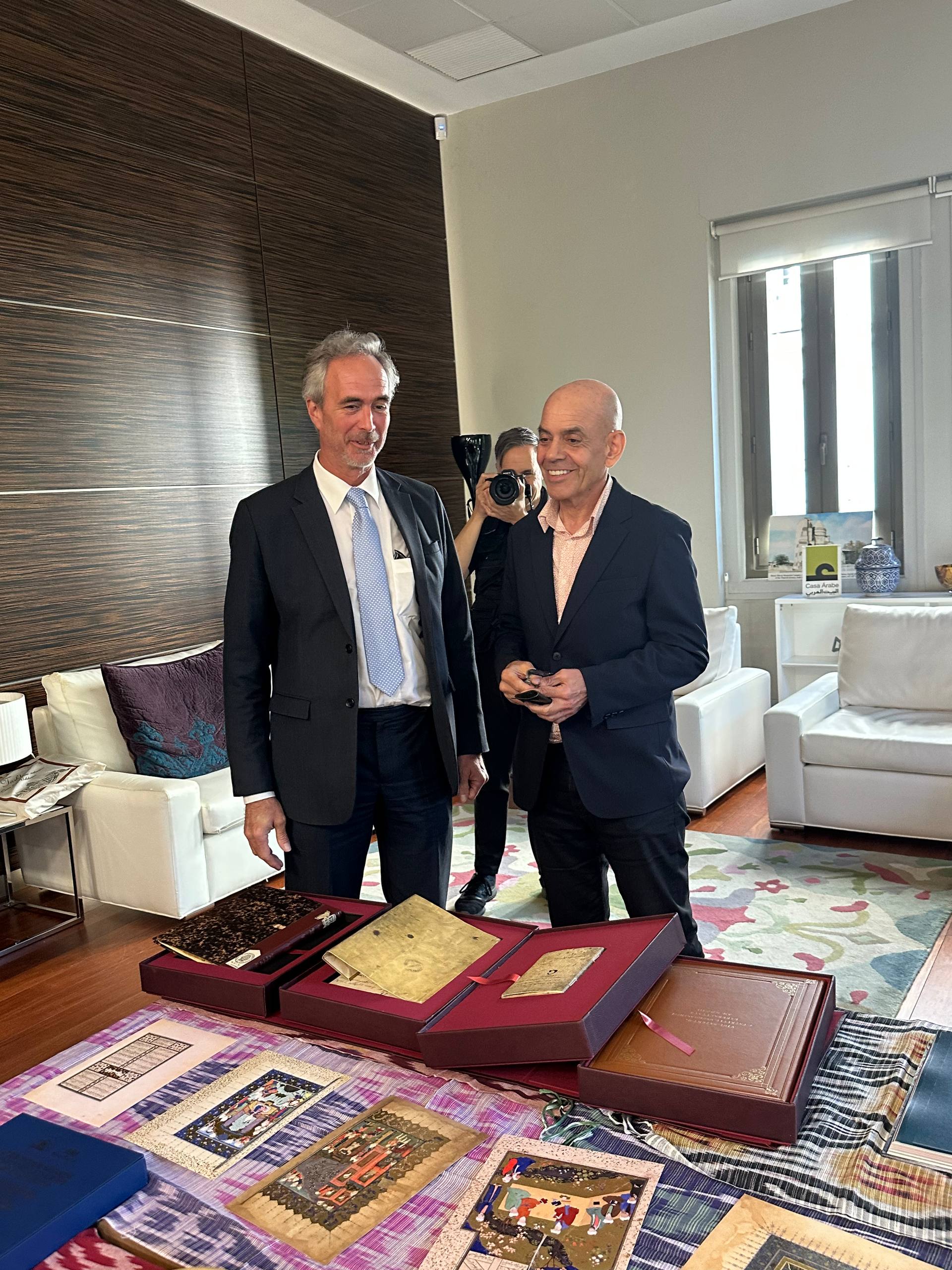
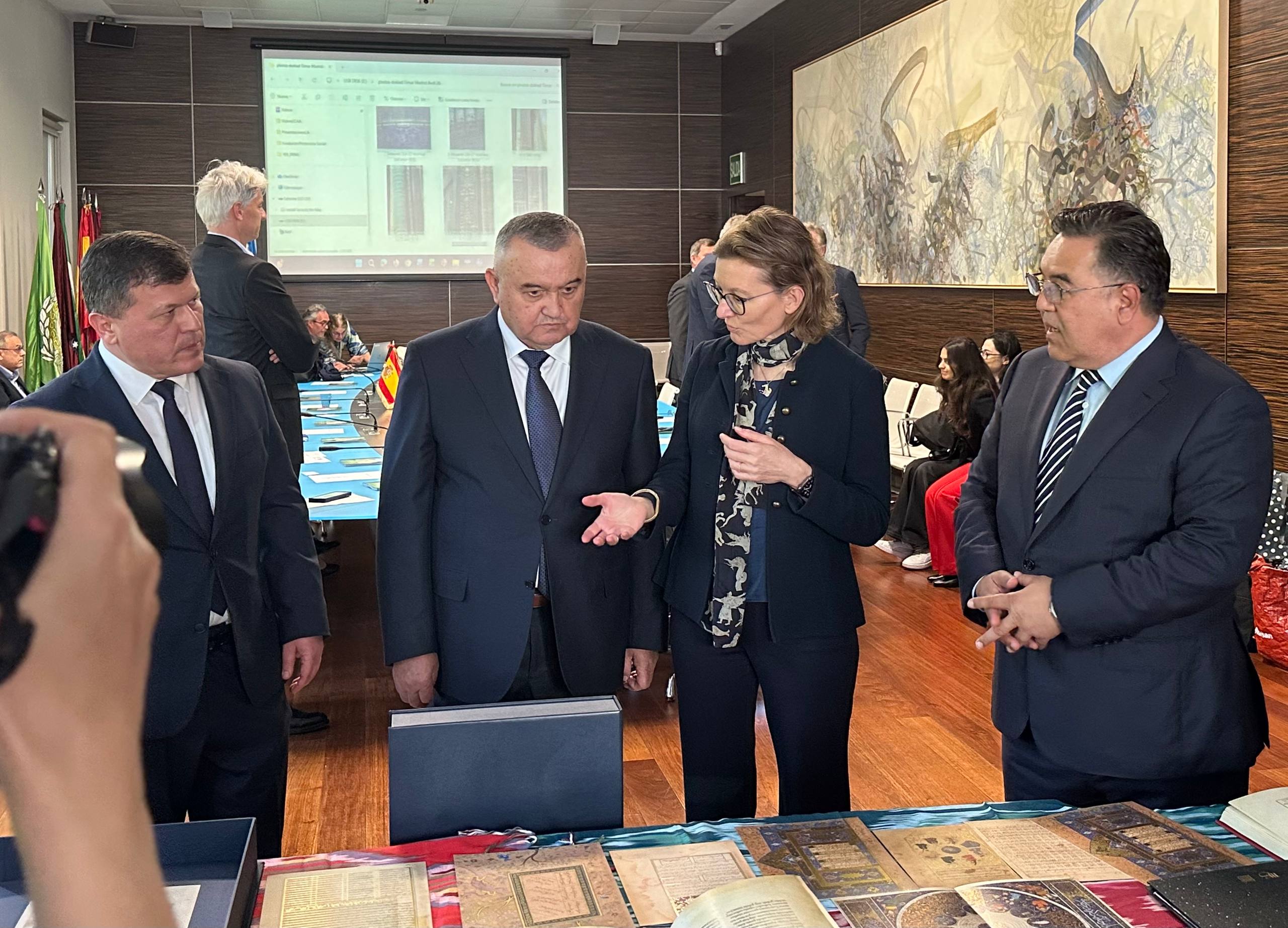
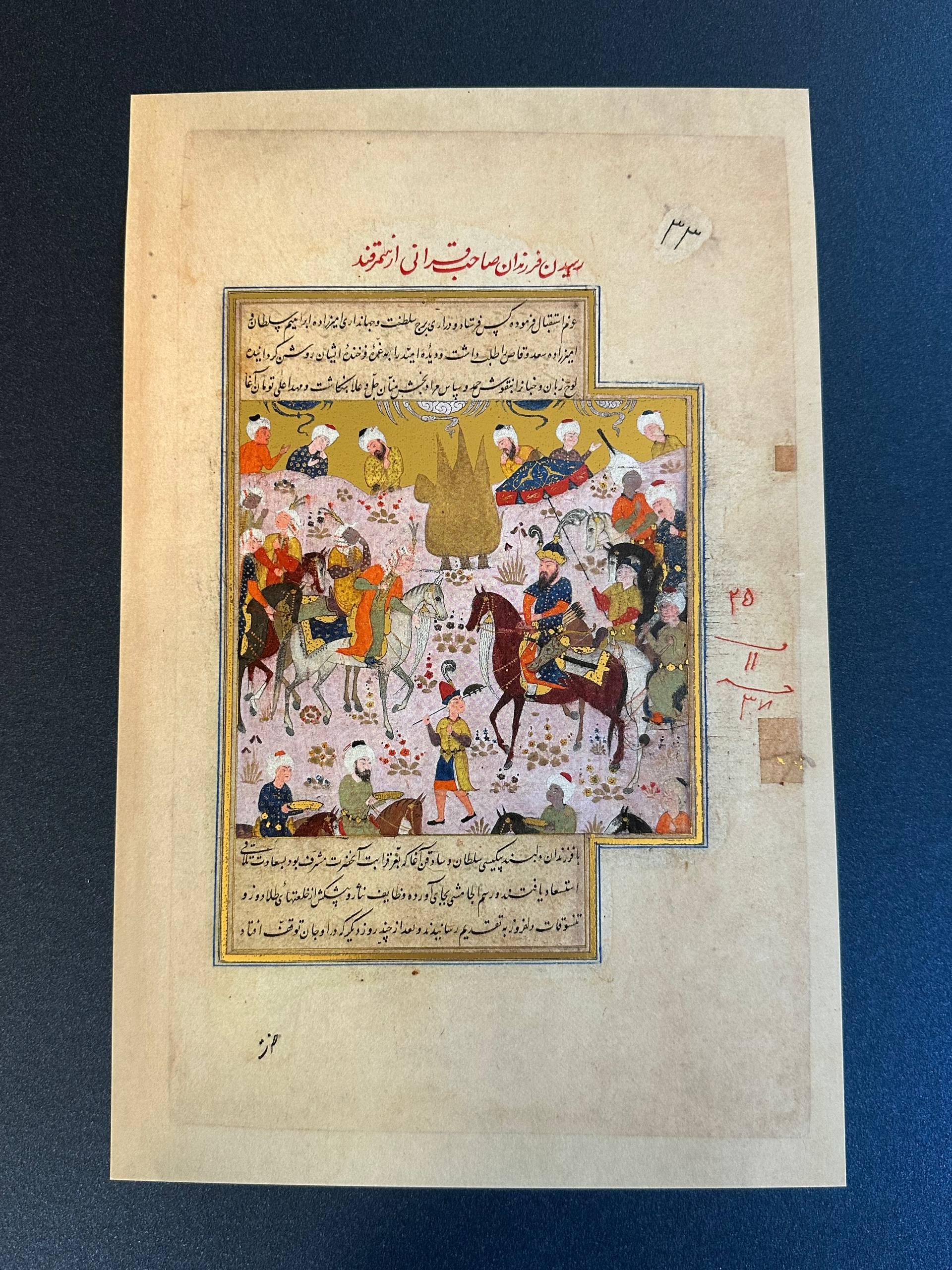
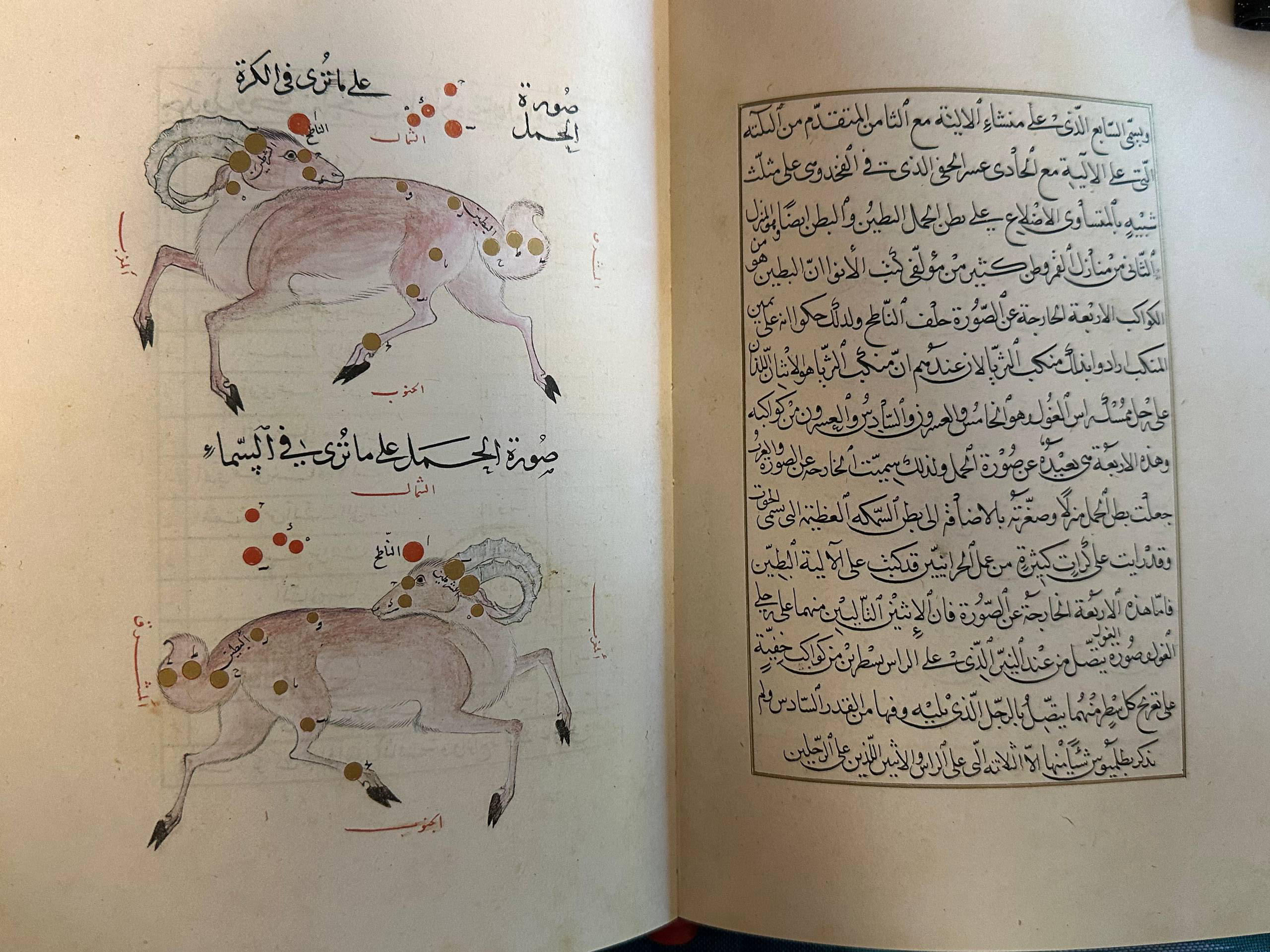
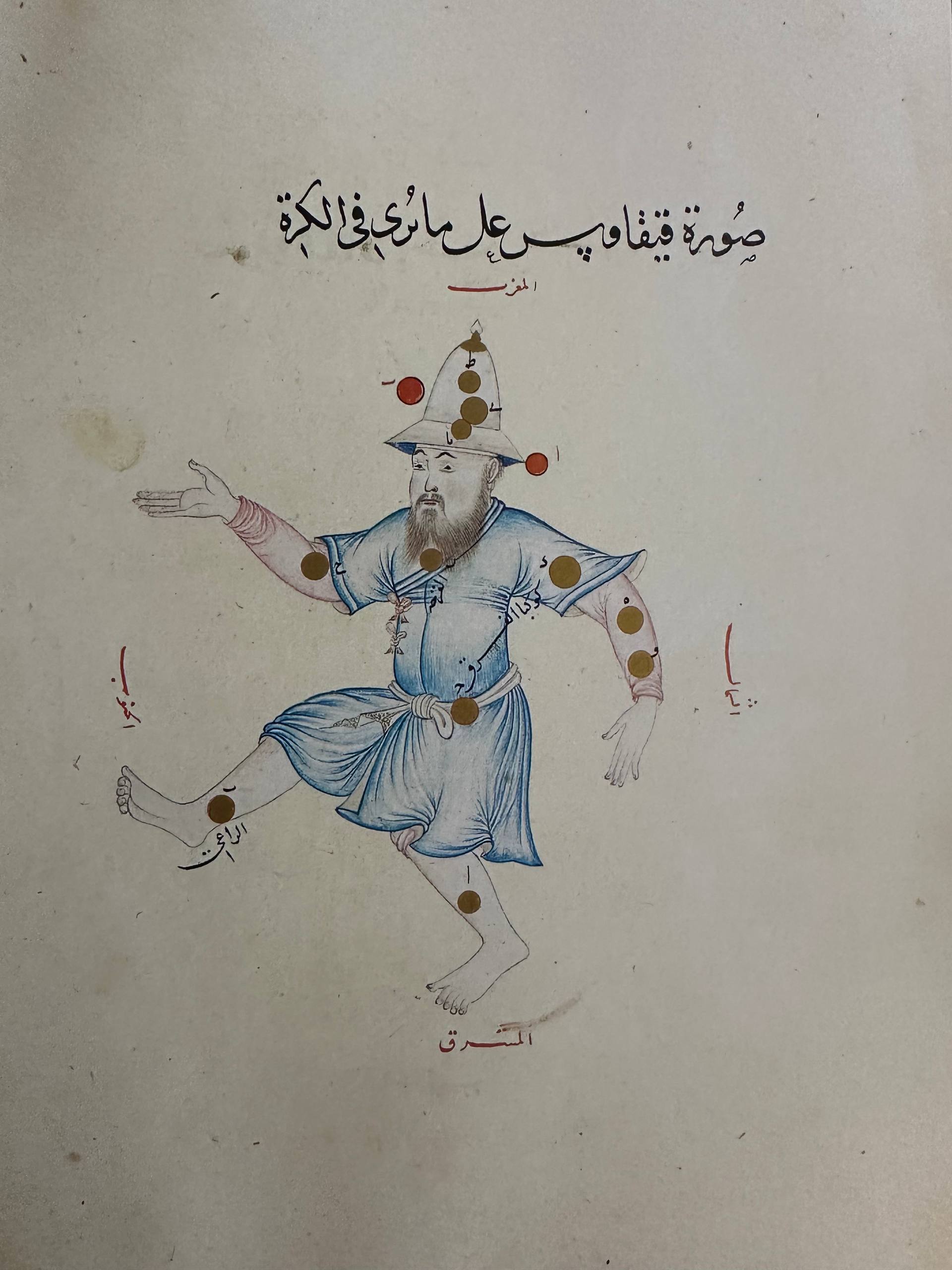
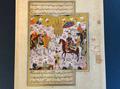
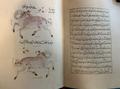
The central exhibit of the meeting was a display of a facsimile edition of the «Zafarnama» — the famous chronicle of the Timurid era from the collection of the British Museum. The «Zafarnama» contains a detailed description of Timur's campaigns, the structure of the state, and court life; however, its value extends far beyond being a historical text: the miniatures, calligraphy, ornamentation, and color make this manuscript a true work of art.
Representative of the publishing house Mueller & Schindler, Alexander Wilhelm, who spoke at the meeting, described how the foundation created copies by hand, striving for maximum fidelity in reproduction, to restore the opportunity to see the book as it was several centuries ago.
A significant part of the manuscript heritage of the Timurid era is currently stored outside Central Asia — in major world collections. This is why the study, cataloging, digitization, and creation of facsimile editions of these monuments are of particular importance: they allow abstract history to be transformed into a living, accessible, and visible past.