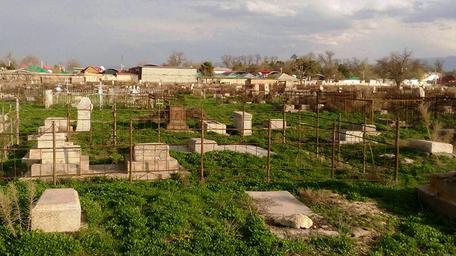
 Villages in Afghanistan. Photo: asiaplustj.info.
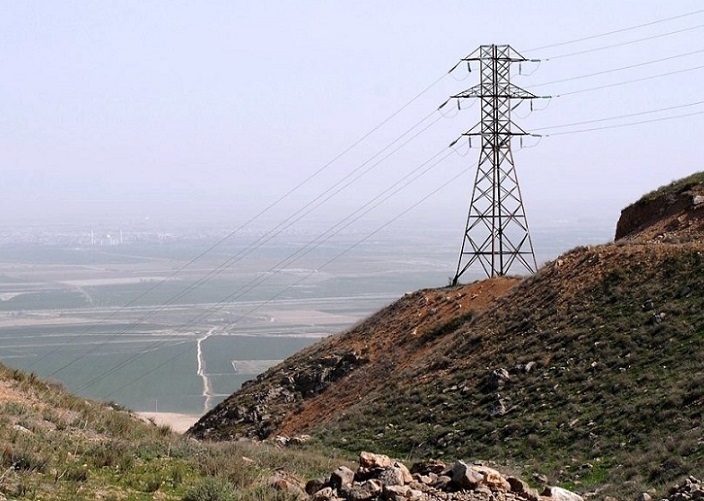
A project to connect Afghan settlements to Turkmenistan’s power grid has begun in Afghanistan. The plan is to supply electricity to 21 villages in the Sang-Atash area of Badghis Province, Business Turkmenistan reported, citing the Bakhtar news agency.
According to the head of the regional electricity department, Mawlawi Khairullah Khairkhwa, the project is valued at $2 million. It will be financed by the Taliban government’s Ministry of Finance. Once technical work is completed, about 7,000 families are expected to receive electricity.
The official added that the project had long been frozen but has now resumed. All settlements included in the program are to be connected to the Turkmen grid within the next five months.
Technical work on the Afghan side is being carried out by Da Afghanistan Breshna Sherkat (DABS). Late last year, its head, Abdul Bari Omar, announced another large-scale initiative in cooperation with Turkmen energy specialists: the TAP power transmission line (Turkmenistan–Afghanistan–Pakistan).
According to the Afghan side, the project’s route map was completed in December, and DABS planned to send it to Ashgabat in the near future.
At the same time, Afghan officials said they intend to generate electricity using Turkmen gas supplied via the TAPI pipeline (Turkmenistan–Afghanistan–Pakistan–India), adding that partners should urgently agree on gas prices.
Representatives of the Turkmen government, in turn, confirmed their readiness to cooperate and stressed that the TAP and TAPI projects are key to energy cooperation and to the economic interests of Ashgabat and Kabul.