 Photo from eliteautomate.com
UNG Overseas, a subsidiary of Uzbekneftegaz JSC, has reached an agreement with the U.S. corporation Cargill to attract up to $5 billion to Uzbekistan’s economy, the company’s press service reported.
The two sides agreed on a phased approach to financing. The initial ceiling for long-term funding has been set at $3 billion. The deal’s primary objectives include strengthening the country’s energy security and improving the resilience of its resource supply system.
The incoming funds are expected to support the comprehensive modernization of key life-support sectors: energy, water management, and environmental infrastructure. The company noted that upgrades are essential given rising energy consumption and the effects of climate change. The investments are also intended to reduce systemic risks in the sector, improve resource management efficiency, and reinforce the country’s energy independence.
In particular, the financing will be directed toward projects ensuring stable energy supply for households and industrial enterprises.
Under the agreement, UNG Overseas will be responsible for strategy and coordination with foreign partners. Cargill, which has extensive experience in global capital markets, will provide practical solutions to advance the plan.
Uzbekneftegaz called the agreement an important step toward ensuring the long-term sustainability of the sector, opening new channels for foreign investment into Uzbekistan’s priority economic areas.
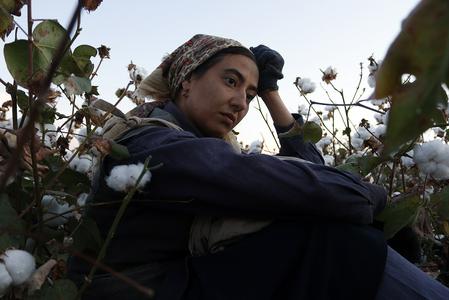
Last fall, Cargill signed a cotton supply contract with UzSanoatExport and a financial cooperation agreement with Uzbekhydroenergo.
Cargill is the largest privately held corporation in the United States. Founded in 1865 and headquartered in Minnesota, it reports global revenues exceeding $150 billion and employs more than 160,000 people across 70 countries. Although known primarily as a global leader in grain trading and food production, the company also operates a major financial division that manages risk and investments in commodity markets. In Central Asia, Cargill has historically been involved in agricultural trade. During the presidency of Islam Karimov, human rights groups criticized the corporation for purchasing Uzbek cotton produced with forced and child labor.