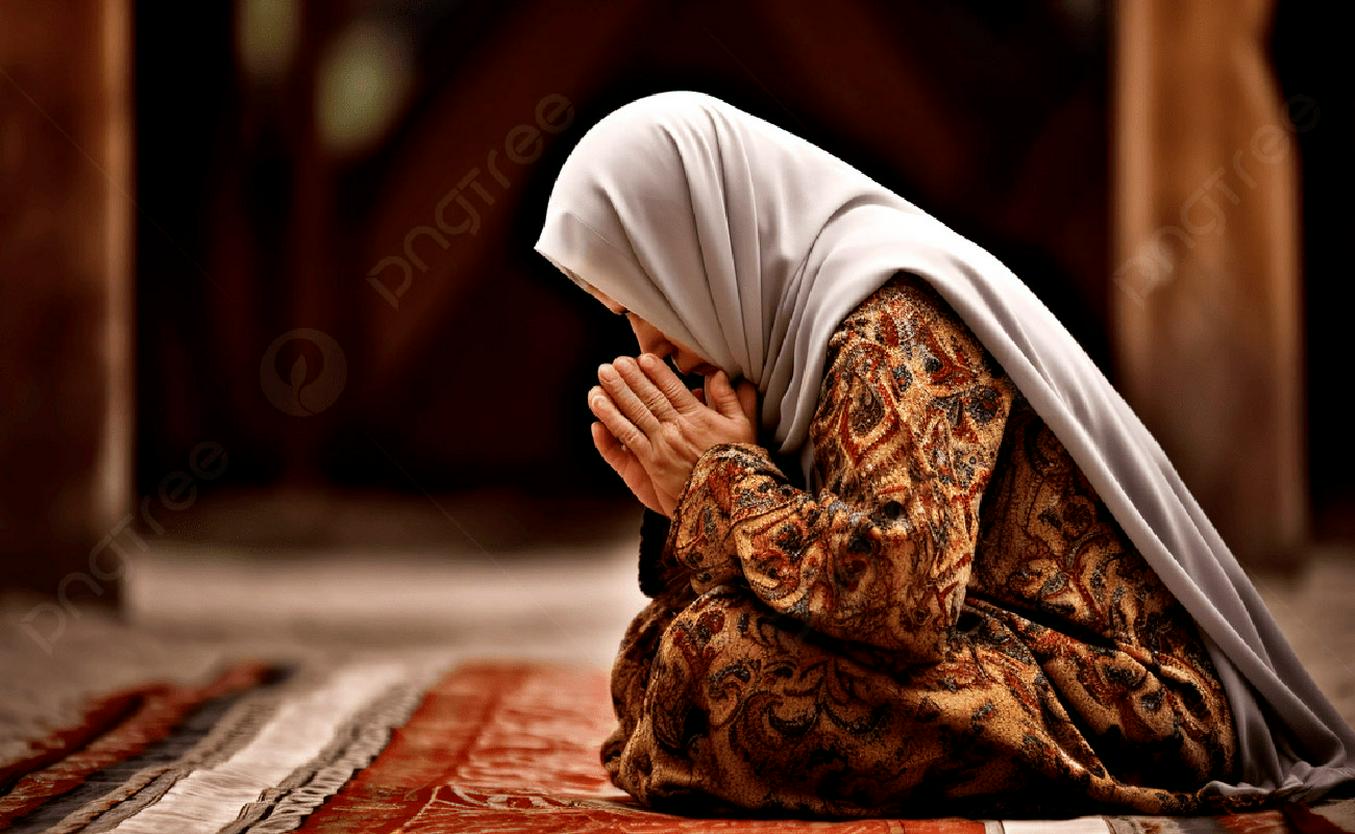
In Tajikistan, the presence of a male relative is now mandatory at duokhoni — a religious ceremony involving the recitation of prayers. The requirement is set out in a new regulation on conducting duokhoni, approved by the Committee on Religion and the Regulation of Traditions, Celebrations and Rituals under the country's government, Asia-Plus reports.
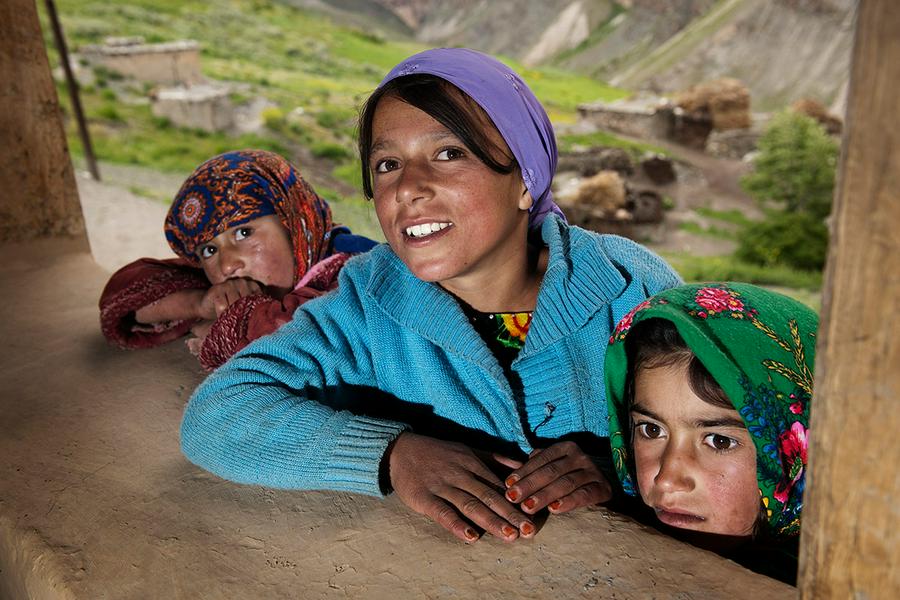
At a duokhoni held for women and children, their mahrams must be present — close male relatives whom a woman cannot marry due to blood or milk kinship (for example, a father, brother, son, grandfather or uncle). For men, the equivalent relatives are a mother, sister, daughter, grandmother or aunt.
The regulation does not specify whether a mahram is required for each woman or whether one is enough for the entire group. Clerics are barred from conducting the ceremony without such relatives present.
No similar requirement applies to men, meaning the mahram rule creates gender inequality.
The same document sets out who is authorized to conduct duokhoni, including:
▪️ members of the Council of Ulema;
▪️ senior imam-khatibs, who head central cathedral mosques;
▪️ imam-khatibs of cathedral mosques;
▪️ imams of mosques where prayers are performed five times a day;
▪️ deputies of imam-khatibs and imams;
▪️ muezzins.
The committee said clerics are entitled to help people who ask them to recite a Muslim prayer or perform a ceremony. At the same time, they must comply with sanitary and epidemiological standards and strictly follow Tajik law. In particular, they are prohibited from:
▪️ offering services linked to witchcraft, magic or fortune-telling;
▪️ committing immoral acts;
▪️ filming the ceremony and sharing the footage in the media or online;
▪️ holding mass duokhoni ceremonies without the appropriate certificates issued by the Committee on Religion.
The agency said the new rules were adopted in response to the widespread practice of citizens turning to fortune-tellers, sorcerers and «unofficial mullahs.» Officials argue that unless the state provides an official channel for religious assistance, residents will keep turning to practitioners it cannot control — making oversight harder and raising the risk of legal violations.
According to Tajikistan's Interior Ministry, more than 5,000 fortune-tellers, sorcerers and «unofficial mullahs» had been identified and registered in the country by the start of 2026. In 2024, amendments to Tajikistan's Code of Administrative Offenses introduced penalties for fortune-telling and witchcraft — a fine of up to 4,500 somoni ($487) or administrative detention of up to 15 days. A repeat offense within a year can trigger criminal proceedings, with a maximum penalty of two years in prison.