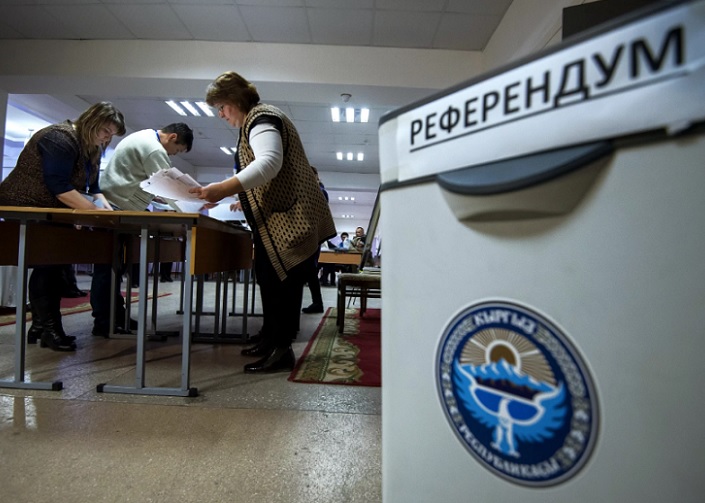
President of Kyrgyzstan Sadyr Japarov has approved a new version of the constitutional law on referendums, under which the power to call a nationwide vote on any issue passes exclusively to the head of state — even though, under the current rules, a referendum is called by the Jogorku Kenesh (parliament) through a law, according to Kaktus.media.
The document, signed by the head of the republic on July 8, states that a referendum is called by presidential decree. The decree will also specify the date of the vote, the wording of the questions to be put to voters, and other details. The date may fall on any non-working day, no later than four months after the decree calling the referendum takes effect.
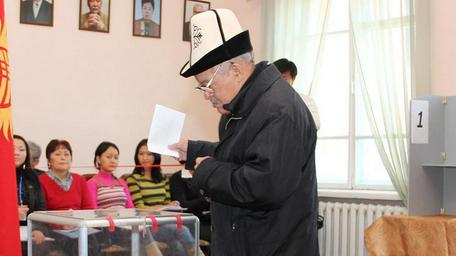
Another innovation is the option to use remote electronic voting; the decision on this is made separately whenever a specific referendum is called.
The law also stipulates that a decision adopted in a referendum is binding, requires no additional approval, and is valid throughout the entire territory of the republic.
Draft constitutions, individual laws, and other matters of national importance may be put to a nationwide vote. Questions must be worded so as to exclude the possibility of multiple interpretations and allow only an unambiguous answer.
The law establishes a list of matters that cannot be put to a referendum. In particular, it bars votes on the early termination or extension of the president's powers or those of Jogorku Kenesh deputies, as well as on early elections for the head of state or members of parliament.
The list of banned topics also includes questions of war and peace; the introduction or abolition of taxes and tariffs; changes to the secular nature of the state or its territorial integrity; the country's administrative-territorial structure and borders; amnesty and pardon; adoption of the national budget; and other matters.
The law further provides that a referendum cannot be held while martial law or a state of emergency is in effect, whether nationwide or in specific localities.
A repeat vote on the same issue, or one with similar wording, cannot be held within one year of the official publication of the results of the previous referendum.
A referendum may be called at the initiative of:
✅ the President of Kyrgyzstan;
✅ no fewer than 300,000 voters;
✅ two-thirds of the total number of Jogorku Kenesh deputies.
The law, signed by Japarov on July 8, takes effect on July 21, 2026. The Central Election Commission has accordingly been instructed to bring its regulatory acts into line with the new version of the document.